
Why Does Ozdikenosis Kill You The Truth About This Viral Disease Claim Guide 2026
Have you ever spotted a scary medical word online and felt your heart skip? You’re not alone. Lately, the phrase “why does ozdikenosis kill you” keeps popping up in search bars, short videos, and forum threads. It sounds serious. It sounds official. It even sounds like something your doctor should have warned you about.
Here’s the catch. No verified medical sources describe this condition. The World Health Organization (WHO) doesn’t list it. The Centers for Disease Control and Prevention (CDC) has no page about it either. So what’s really going on? This Ozdikenosis viral disease claim is a textbook case of viral disease misinformation. In this 2026 guide, you’ll learn where the term may have come from and why fake disease claims online spread so fast. You’ll also pick up simple steps to check any mysterious disease claims yourself. Let’s separate the facts from the fear.
What Is Ozdikenosis? Understanding the Viral Search Trend
Picture this. You scroll your phone late at night, and a strange phrase jumps out: “why does ozdikenosis kill you.” Your stomach drops. The word sounds serious, and it looks like a real diagnosis. Yet this Ozdikenosis viral disease claim has no clear source behind it. No doctor, hospital, or health agency stands behind the name.
So, what is Ozdikenosis? This Ozdikenosis disease explained section gives the short answer. No recognized medical record describes it. The Ozdikenosis online search trend grows from curiosity and fear. Why is Ozdikenosis trending online? Because scary words travel fast. The sections below walk through the facts and show you how to handle the next viral health scare.
Is Ozdikenosis a Real Disease?
Here is the direct answer. No recognized medical source lists Ozdikenosis as a disease. The World Health Organization (WHO) keeps the global disease catalog, called the International Classification of Diseases. The Centers for Disease Control and Prevention (CDC) publishes its own health topics and data. Neither source describes this term. These are the basic Ozdikenosis medical facts that matter most.
A real condition leaves a long paper trail. It has a clear definition and agreed signs. Labs or scans can often confirm it. Researchers publish studies about it in journals. That trail is what disease recognition means in practice. Without it, a name is just a word. So, is Ozdikenosis a real medical condition in 2026? Based on the sources below, the answer is no.
| Source | What It Covers | What a Search for Ozdikenosis Should Show |
| WHO ICD browser | Official global disease codes | No matching entry |
| CDC | Health topics and outbreak data | No matching page |
| PubMed | Biomedical research papers | No matching studies |
| MedlinePlus | Plain-language condition guides | No matching topic |
What Current Medical Evidence Tells Us
Is there credible medical research about Ozdikenosis? Searches of major databases return no peer-reviewed case reports, no clinical trials, and no treatment guidelines. Medical research builds knowledge in steps. First, doctors notice a pattern. Next, they test it. Then other experts check the work through peer-reviewed studies. A claim with none of these steps has no clinical evidence behind it. That absence is itself an answer, since real diseases do not stay hidden from the medical literature.
Why the Name May Sound Like a Real Medical Condition
The ending “-osis” appears in real terms such as fibrosis and scoliosis. Your brain sees that shape and thinks “medical.” Think of a fake brand name that sounds like a trusted bank. The sound alone builds trust. Long, odd words also feel scientific. That feeling is a trick of language, not proof. Many unverified medical conditions borrow this look to seem believable.
Why Are People Searching Why Does Ozdikenosis Kill You
Curiosity starts the chain. Fear keeps it going. A scary word triggers a quick search before any fact check happens. Why are people searching for Ozdikenosis online? Most want to know if they should worry. These online disease searches often come from people who saw a short clip or a post. They rarely come from a doctor’s visit.
Then a loop forms. A few posts spark a few searches. More searches push the topic higher. Then more posts appear to meet the demand. Engagement often rewards sensational content, so dramatic claims rise fast. That is how internet health rumors gain a life of their own. It is also why people ask why Ozdikenosis supposedly kills people. The question spreads faster than any answer.
The Role of Viral Posts, Search Trends, and Online Curiosity
Short videos and bold captions drive much of the buzz. Phrases like “doctors won’t tell you this” tempt people to click. Autocomplete suggestions add fuel. When a scary phrase appears in a search box, it looks like many people share the same worry. These social media rumors can reach millions within days. Meanwhile, careful corrections reach only a few people. That gap explains why mysterious disease claims feel so common online.
How Repeated Claims Can Make a Disease Seem Real
Psychologists call it the illusory truth effect. When you hear a claim again and again, it starts to feel true. Repetition feels like proof, even when no proof exists. A well-known 2018 study in Science found that false news stories spread faster than true ones on Twitter. That study covered news in general and not only health. Still, it shows why viral disease misinformation can outrun the facts.
Where Did the Term Ozdikenosis Come From?
The honest answer is simple. No verified origin exists. Where did the word Ozdikenosis originate? Nobody can say for sure. No early medical paper uses it. No known expert coined it. This is the truth behind the Ozdikenosis disease claim. It rests on posts that copy other posts.
That missing history matters a lot. A real disease can be traced back to a first case, a first study, or a first discovery. A rumor cannot. When you cannot find a source, treat the claim with care. Good disease identification always starts with a source you can check.
Possible Origins of the Viral Term
Several explanations seem possible, though none is confirmed. The word may come from a spelling mistake. Someone may have invented it as a joke. A blog chasing search traffic may have made it up. An automated writing tool could have produced it by mixing medical-sounding sounds. Each idea is a guess. Treat them as possibilities and not as findings.
How to Distinguish Verified Information From Online Speculation
Ask three quick questions. Who wrote this? What source backs it? Can you find the same claim in a medical database? Real public health information names its authors and cites its sources. Speculation usually does neither. A short habit of checking can save you a lot of worry. This is the heart of any good disease verification guide.
Does Ozdikenosis Have Real Symptoms?
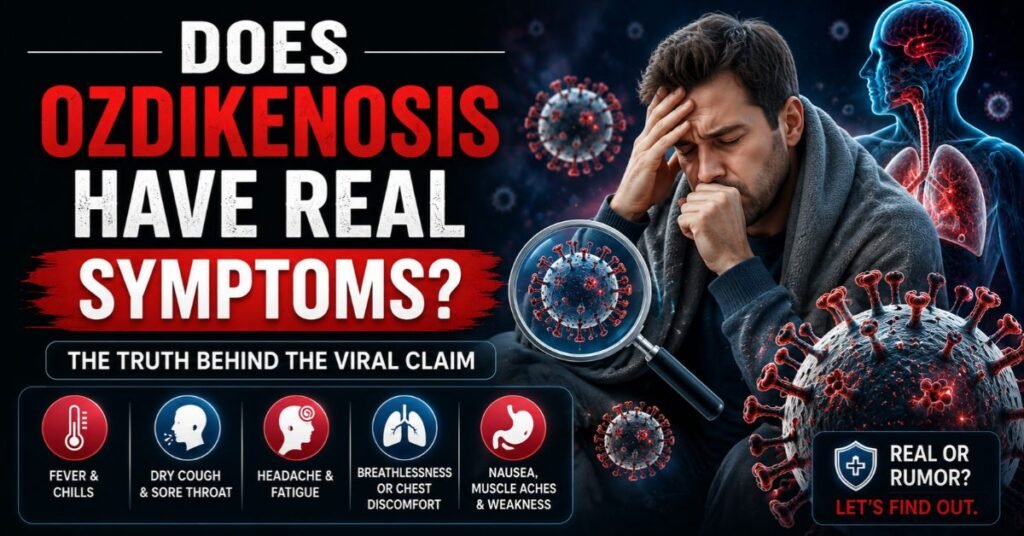
Some websites list Ozdikenosis symptoms explained as tiredness, headache, dizziness, and weakness. They read like a medical checklist. However, no doctor has linked these signs to a disease with this name. So, are Ozdikenosis symptoms medically verified? No. Are there any scientifically verified Ozdikenosis symptoms? Also no.
These signs fit hundreds of ordinary problems. Poor sleep causes them. So do stress, dehydration, and common infections. A list that fits everyone describes no one in particular. That is why symptom checking on random pages can mislead you. It also feeds health anxiety, which can make normal body sensations feel scary.
See Also: Droven Io Cloud Computing Guide Features Benefits, Setup, and Security 2026
| Symptom | Common Real Causes |
| Fatigue | Poor sleep, stress, anemia, infections |
| Headache | Dehydration, tension, migraine |
| Dizziness | Low blood pressure, anxiety, ear problems |
| Weakness | Low iron, illness, lack of food |
Why Unverified Symptom Lists Can Be Misleading
Think of a horoscope. It says things like “you may feel tired this week.” Almost anyone can agree with that. Vague symptom lists work the same way. You read them and think, “That sounds like me.” Yet the match comes from the vague wording and not from a hidden illness. This is how misleading medical headlines and fake lists pull readers in.
How to Evaluate Health Claims Before Believing Them
Use a three-step test. First, check the source. Is it a recognized health body, a research journal, or an unknown blog? Second, look for scientific evidence. Are there studies or data you can open? Third, see if experts agree. Real conditions show up across many trusted pages. This kind of health information fact-checking takes only a few minutes.
What Actually Makes a Disease Life Threatening?
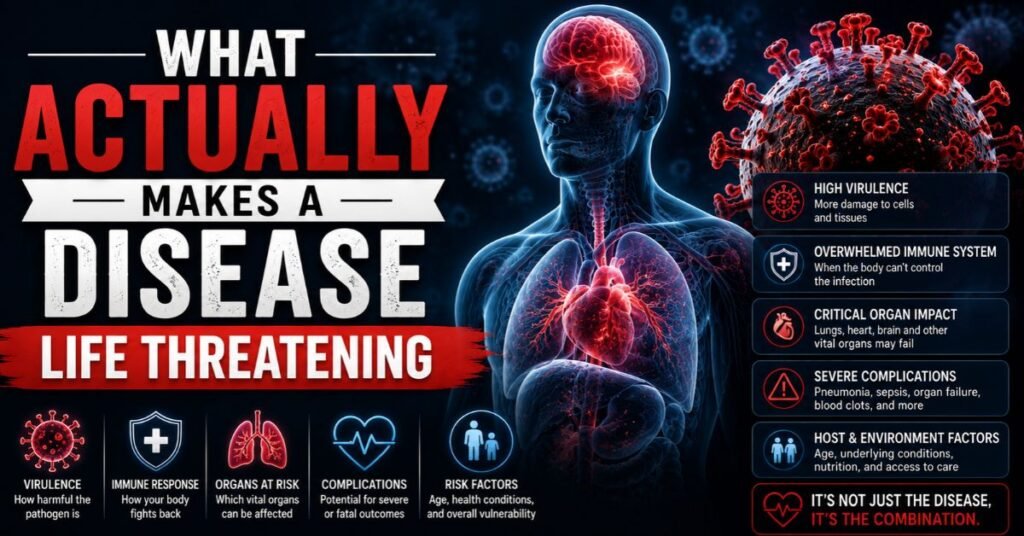
A name never kills anyone. Biology does. A disease becomes deadly when the body cannot keep vital systems running. This is the real answer to why people die from illness. It has nothing to do with a catchy label.
Doctors rely on tests, scans, and case history to find the cause. That process is called medical diagnosis. It follows the principles of evidence-based medicine, which means decisions rest on research and not on rumors. The table and sections below show the main ways serious illness harms the body.
See Also: TheLaptopAdviser Expert Gaming Reviews 2026 Are They Accurate and Trustworthy
| Mechanism | Plain Example | Why It Is Dangerous |
| Organ failure | Kidney or heart failure | The body cannot filter or pump properly |
| Severe inflammation | Sepsis | The body’s defense turns against itself |
| Blocked blood flow | Stroke or heart attack | Tissue loses oxygen and begins to die |
Organ Failure and Critical Organ Damage
Your heart, lungs, kidneys, and liver keep you alive each day. The heart pumps blood. The lungs bring in oxygen. The kidneys clean waste from the blood. The liver handles many chemical tasks. When one of these organs fails, the others often struggle too. Long-term illness, infection, injury, or poison can all cause such damage. Doctors use blood tests and imaging to spot it early.
Severe Inflammation and Immune System Responses
Inflammation is the body’s alarm system. A small amount helps you heal. Too much can cause harm. In sepsis, a serious infection triggers a huge immune reaction. Blood pressure drops and organs begin to fail. Other illnesses can also cause runaway immune responses. That is why doctors take sudden fever, confusion, and fast breathing seriously.
Disrupted Blood Flow and Oxygen Supply
Think of your blood vessels as pipes that carry water to every home in a city. If a pipe blocks or bursts, the homes downstream go dry. In the body, a clot can block blood flow to the brain and cause a stroke. A blocked heart artery can cause a heart attack. Without oxygen, cells die within minutes. Quick emergency medical care can save lives in these moments.
See Also: Selena Green Vargas Biography, Viral Mystery and What We Know in 2026
Why Serious Diseases Require Evidence-Based Diagnosis
Real disease identification uses more than a list of signs. Healthcare professionals take your history and examine you. They order labs or imaging when needed. They compare results with known criteria. Sites such as MedlinePlus explain these steps in plain language. A viral post can’t replace any of this work.
Are There Real Diseases Being Confused With Ozdikenosis?
Often, yes. Real illnesses can cause the same vague signs that people attach to a viral name. A flu-like infection can bring fatigue and headache. Anxiety can cause dizziness and a racing heart. Sleep disorders can cloud thinking. Thyroid problems and iron deficiency can also drain your energy. None of these is a secret disease. All of them are known and treatable.
Some people also search for rare disease information and find confusing results. True rare diseases do exist. Doctors still list them in medical databases and publish research on them. This is the key difference between a real disease and an internet rumor. The table below sums it up.
| Feature | Real Disease | Internet Rumor |
| Official listing | Yes, in medical databases | No |
| Research papers | Yes | None or fake |
| Diagnostic tests | Yes | None |
| Source of claims | Doctors and scientists | Anonymous posts |
How to Compare Viral Claims With Recognized Medical Conditions
Take the claim and match it against a trusted page. Look for diagnostic criteria, a lab marker, or a treatment guideline. If the claim has none, that is a warning sign. If it does match a known illness, you can read more from a reliable health site. This simple comparison turns a scary rumor into a clear question you can bring to a doctor.
Why Similar-Sounding Medical Terms Do Not Prove a Disease Exists
A fake Latin name can fool anyone. Imagine a plant called “Floribus magnificus.” It sounds scientific, but you made it up. Medical-sounding words work the same way. Matching the pattern of real terms proves nothing. Only listings in recognized sources, backed by research, prove that a disease exists. This is a core lesson in disease myths and facts.
How Fake Disease Claims Spread Across the Internet
A single post can reach millions in a day. That speed is new in human history. Fake disease claims online use it well. They are short, shocking, and easy to share. How do fake disease rumors spread? Three forces drive them: social platforms, fear, and search tools. Each one boosts the others.
Consider a simple case study. This scenario is made up, but it follows a common pattern. A user posts, “Doctors hide this rare disease.” Within days, blogs copy the claim. Video makers act out the symptoms. Search interest jumps. New articles appear to meet the demand. Soon people ask why a disease kills, even though no evidence exists. The whole cycle started with one unproven line.
The Role of Social Media and Content Farms
Content farms publish huge numbers of cheap articles. They chase trending words and copy each other. Some use automated tools to write fast. Platforms then push this content to people who already showed interest. This is how social media rumors and copy-paste pages create a false sense of widespread knowledge. Many readers assume that so many pages must mean the claim is true.
Why Fear-Based Health Headlines Attract Attention
Fear grabs attention fast. A headline with the word “kill” or “deadly” stirs strong feelings. People click first and think later. Misleading medical headlines know this trick well. They promise a hidden danger and offer no proof. If you feel a jolt of panic from a headline, pause. That jolt is often the point of the headline.
How Search Engines Can Surface Unverified Medical Claims
Search engines use many quality signals. They try to favor trusted pages. Still, they are not perfect. When a new or odd term appears, few expert pages may exist to compete. Low-quality pages can then fill the gap. That is why search engine results deserve a second look. Check who wrote the page and what sources it cites before you believe it.
The Psychology Behind Viral Disease Panic
One scary word can turn a mild headache into a worry spiral. Your mind fills in the gaps with the worst outcome. This is normal human behavior. It explains why people believe viral health claims even when they seem odd. Understanding it gives you power over it.
Two mental effects matter most here. The first is how we fear what we do not know. The second is how repeated claims shape belief. Together they power every viral health scare. Good medical misinformation awareness begins with knowing these patterns.
Why People Fear Unknown Illnesses
Uncertainty feels uncomfortable. A disease with no clear facts leaves your mind free to imagine the worst. People with health anxiety feel this even more. The availability heuristic adds to it. Vivid stories come to mind easily, so they seem more likely than they are. A dramatic post about a “mysterious illness” can feel more real than dull statistics.
How Repeated Exposure Can Influence Beliefs
Have you ever heard a song so often that you think you know the lyrics? Repetition builds false confidence. Beliefs work the same way. When you see a claim many times, it feels familiar and then true. Confirmation bias helps it along, because you notice posts that agree with your fear and skip those that do not. Knowing this helps you slow down and check the facts.
How to Verify Whether a Disease Is Real
Anyone can fact-check a disease claim. You do not need medical training. You only need a short routine and a few good sources. Here is how to verify a disease online. Search the name on trusted sites. Look for studies. Check the warning signs of a weak article.
This rule works for any rumor. It answers the question, “How can I check if Ozdikenosis is a real disease?” It also covers any future mystery illness.
Check Trusted Sources Such as the WHO and CDC
Start with the WHO and the CDC. Both offer search boxes on their sites. Type in the name of the condition. Real diseases show up with clear pages. These are verified medical sources. They share trustworthy medical information that experts review. National health ministries and major hospitals also work well. Always prefer these over anonymous blogs.
Look for Peer-Reviewed Research and Medical Evidence
Next, look at PubMed. It indexes millions of papers. Search the name there. A real condition usually has several studies. A peer-reviewed study has been checked by other experts before publication. A blog summary is not the same thing. Real research lists its methods, its data, and its authors. If a page only repeats claims, it fails the test.
Identify Red Flags in Unverified Health Articles
Certain signs warn you of a weak or false article. Learn them well, since they help you recognize misleading health articles quickly. Watch for no cited sources, dramatic names, and vague symptom lists. Phrases like “doctors hide the truth” are another red flag. So is sudden popularity with no news from health agencies. Spot two or three of these signs, and you should stop and check further.
The Dangers of Self-Diagnosing Based on Online Searches
Here is a common story. You feel tired. You search your symptoms. You find a scary page. You panic, and then you feel worse. This loop of fear is real. Can online searches diagnose a disease? No, they cannot. Random online health searches raise worry more often than they bring answers.
The harm goes beyond stress. Self-diagnosis can delay proper care. You might ignore a real problem because a page told you it was something else. You might also fear a disease that does not exist. Both outcomes hurt your health. Strong fact-checking health claims habits protect you from both.
Why Searching Symptoms Cannot Confirm a Diagnosis
A doctor does far more than match symptoms to a list. They ask about your history. They examine your body. They order tests when needed. They weigh many possibilities. A search engine cannot do any of this. At best, it gives general public health information. It can’t tell what is happening inside your body.
When to Seek Professional Medical Advice
See a doctor when symptoms last, worsen, or have no clear cause. Also go if a symptom worries you, even when you can’t explain why. Early advice often prevents bigger problems. Talking to healthcare professionals also eases anxiety, because you get real answers. Do not wait for a perfect label. Describe what you feel and let the expert guide you.
What Should You Do If You Feel Seriously Unwell?
First, take a breath. Forget internet labels. Focus on what your body is actually doing. Write down your symptoms. Note when they began and how long they last. Record anything that makes them better or worse. These notes help your doctor a great deal. They turn a vague worry into useful information.
Then act. Book an appointment with a clinician if symptoms continue. Bring your notes and a list of any medicines you take. Do not attach viral names to your symptoms. Let a trained professional make the call. Real care beats online guessing every time.
Seek Medical Assessment for Persistent or Concerning Symptoms
Persistent symptoms deserve a proper check. Think of ongoing fatigue, unexplained weight loss, long-lasting pain, or a fever that will not go away. Tell your doctor what you noticed and for how long. Share your family history too. A good assessment may include an exam, blood tests, or scans. Each step brings you closer to a real medical diagnosis.
Recognize Symptoms That Require Emergency Care
Some signs need help right away. These include chest pain, trouble breathing, sudden weakness on one side, sudden confusion, severe bleeding, and fainting. Do not wait or search online. Call your local emergency number at once, since numbers differ by country. Fast emergency medical care can protect your life. When in doubt, choose safety.
How to Protect Yourself From Health Misinformation
Before you share a post, pause. That single habit can stop health misinformation from spreading. Every share adds weight to a claim. A friend might trust your post just because it came from you. So a moment of care helps your whole circle.
Two habits matter most. Verify claims before you pass them on. Then separate real medical evidence from online talk. Good medical misinformation awareness grows from these small steps. Over time, they make you harder to fool.
Verify Claims Before Sharing Them
Try a 60-second check. Open two trusted sources and search the claim. If neither mentions it, hold off on sharing. If the post makes you feel strong fear or anger, wait even longer. Strong feelings are often a sign of manipulation. Such health information fact-checking takes little time. It keeps you and your friends safer.
Separate Medical Evidence From Online Speculation
Evidence comes from studies, data, and expert review. Speculation comes from stories, screenshots, and guesses. A personal story may be true yet prove nothing about a whole disease. A screenshot can be edited. Ask what kind of proof backs each claim. Lean on scientific evidence and evidence-based medicine when you decide what to believe. This is the best way to tell disease myths and facts apart.
Frequently Asked Questions
Is Ozdikenosis a Real Disease?
No recognized medical record describes Ozdikenosis. It does not appear in major disease listings or research databases. Use the checks above to confirm this yourself.
Why Does Ozdikenosis Supposedly Kill You?
It has no verified cause of death. The deadly claim comes from viral fear content and not from clinical data. A disease that is not medically defined can’t be shown to kill anyone.
Are There Verified Symptoms of Ozdikenosis?
No. The symptoms listed online are generic. They overlap with many common conditions.
Where Did the Term Ozdikenosis Originate?
No confirmed origin exists. It most likely began as an internet-created term. Possible sources include a typo, a joke, or an SEO blog.
Can Ozdikenosis Be Diagnosed or Treated?
Without a medical definition, no diagnosis or treatment exists. If you have real symptoms, see a healthcare professional. They can treat the actual cause.
How Can I Check Whether a Viral Disease Claim Is Genuine?
Search the WHO, the CDC, and PubMed. Then look for red flags such as missing sources and dramatic wording. If trusted sources say nothing, treat the claim as unverified.
Final Thoughts
So, why does Ozdikenosis kill you? The truth is plain. No verified disease carries this name, so no verified cause of death exists. What exists is a viral disease claim that grew through curiosity, fear, and repetition. It shows how easily fake disease claims online can look like real science. It also shows why trustworthy medical information matters so much.
Next time a strange illness goes viral, stay calm. Check verified medical sources before you believe or share it. Look for peer-reviewed studies and clinical evidence. Remember that health information fact-checking is a skill anyone can learn. And if you feel unwell, talk to a doctor, since real symptoms deserve real care.