

15 Amazing Highlights of Nummazaki Japan Travel Guide 2026
Tokyo glows with neon. Kyoto whispers with temple bells. Yet the quiet coast of Shizuoka hides something special. This Nummazaki Japan travel guide shows you the Highlights of Nummazaki and the real places behind the name.
You’ll find cliffs, pine forests, fresh fish and a calm view of Mount Fuji. Ready for one of the best Japan hidden coastal destinations.
What Is Highlights of Nummazaki Location, Meaning and Travel Overview
Many travelers type “Nummazaki” into a search bar and wonder what they’ll find. The name points to the scenic shoreline around Numazu City in Shizuoka Prefecture. This coast sits at the head of Suruga Bay and the foot of the Izu Peninsula. It’s a great pick for readers who love Japanese seaside towns and slow travel.
Think of this page as your Nummazaki sightseeing guide and your Numazu Japan travel guide in one. It covers sights, food, onsen, transport and costs. You’ll also get a clear Japan travel itinerary 2026 you can copy. Every section uses plain words and short steps.
Where Is Nummazaki Located?
Where is Nummazaki located? Look at the Pacific side of central Japan. The area lies in Shizuoka Prefecture, about 100 kilometers southwest of Tokyo. Its waters belong to Suruga Bay, and its land touches the western edge of the Izu Peninsula.
Most travelers use Numazu City as the base. From there, you can reach cliffs, beaches and viewpoints in short rides. The Pacific Ocean stretches beyond the bay, and Mount Fuji rises behind the northern hills.
Is Nummazaki a Real Place? What Travelers Should Know
Is Nummazaki a real place in Japan? Here’s the honest answer. “Nummazaki” isn’t an official town or a stop on most maps. Writers use it as a friendly label for the Numazu coast and its Suruga Bay attractions.
So don’t search for it on train apps or booking sites. Type “Numazu,” “Cape Ose” or “Senbon Matsubara” instead. You’ll find real stations, real hotels and real buses that way. This small step saves time and avoids confusion.
Quick Facts About the Coastal Region
Short facts help you plan fast. The table below sums up the Highlights of Nummazaki region at a glance. Use it as a cheat sheet before you book anything. Details such as bus times can change, so check the official Numazu city website before you go.
| Feature | Details |
| Region | Shizuoka Prefecture, central Japan |
| Base town | Numazu City |
| Main water | Suruga Bay, Japan’s deepest bay |
| Famous views | Mount Fuji coastal views |
| Best known for | Cliffs, pine groves, seafood, onsen |
| Best seasons | Spring and autumn, with winter for Fuji |
| Ideal stay | One to three days |
Why Explore the Coastal Highlights of Nummazaki?
Some places shout. Others invite you to lean in. The Nummazaki tourist attractions belong to the second group. You get dramatic scenery without the crush of famous sites. Locals still fish at dawn. Cafés still serve breakfast near the harbor.
The area also fits many travel styles. Hikers love the cliffs. Foodies chase fresh fish. Families enjoy the aquarium and gentle beaches. Photographers wait for golden light on the water. Whatever you like, this coast has a corner for you.
Natural Scenery and Peaceful Coastal Landscapes
Picture a green headland meeting deep blue water. That’s the heart of Suruga Bay coastal scenery. Pine trees lean in the sea breeze. Waves polish dark rocks. On calm days, the bay looks like glass. The Japanese coastline here feels wide and open. You can sit on a quiet bench and watch fishing boats drift by. Many visitors say the peace is the real prize.
Local Culture, Seafood and Outdoor Experiences
Culture here lives in daily routines. Local fishing communities haul in nets at sunrise. Shrines honor safe voyages and rich catches. This is Japanese coastal culture at its most honest. After a morning outdoors, you can eat a bowl of just-caught fish. Then you can soak in a hot spring. That mix of nature, food and relaxation makes the Nummazaki things to do list feel complete.
Natural Highlights of Nummazaki of the Suruga Bay Coast
Nature leads the show here. Rocky capes, tall pines and open water share one frame. The Pacific Ocean feeds the bay with deep, cool currents. That depth shapes the weather, the seafood and the views.
You don’t need special gear to enjoy it. A pair of walking shoes and a camera do the job. Each viewpoint gives a new angle on the same blue horizon. Take your time and let the scenery do the talking.
Rugged Coastal Cliffs and Hidden Coves
Wind and waves have carved this shore for thousands of years. The result is a line of rocky headlands and small, secret coves. Some coves sit below forest paths. Others hide behind sea-worn stone. These Nummazaki scenic spots reward patient walkers. Wear shoes with good grip because wet rocks get slippery. Stay behind safety barriers near cliff edges. A short detour often leads to a spot with no other visitors at all.
Panoramic Ocean Views and Scenic Lookouts
Wide views make a coast unforgettable. Several scenic observation points around Numazu City look straight over Suruga Bay. On clear days, you can trace the far shore with your eyes. Early morning gives the sharpest air. Late afternoon adds warm gold. Bring a light jacket since sea breezes cool things quickly. If you only have an hour, pick one lookout and linger. One good view beats five rushed ones.
Suruga Bay’s Marine Environment
Suruga Bay reaches depths of about 2,500 meters. That makes it the deepest bay in Japan. Cold, deep water sits close to shore. This unusual setup supports rich marine ecosystems and strong coastal biodiversity. Fishers pull up both shallow and deep species. Scientists also study the bay for its wide range of life. For you, this means better seafood and more underwater interest. It’s a natural wonder you can taste as well as see.
Sunrise, Sunset and Mount Fuji Views
Mount Fuji coastal views are the star of this shoreline. The volcano rises across the water like a painted backdrop. Winter gives the clearest air, so Fuji often shows its snowy cone. Sunrise lights the peak in soft pink. Sunset turns the bay orange. Clouds can hide the mountain by midday, so go early. Check a forecast the night before and plan your best view for dawn.
Best Tourist Attractions Near Highlights of Nummazaki
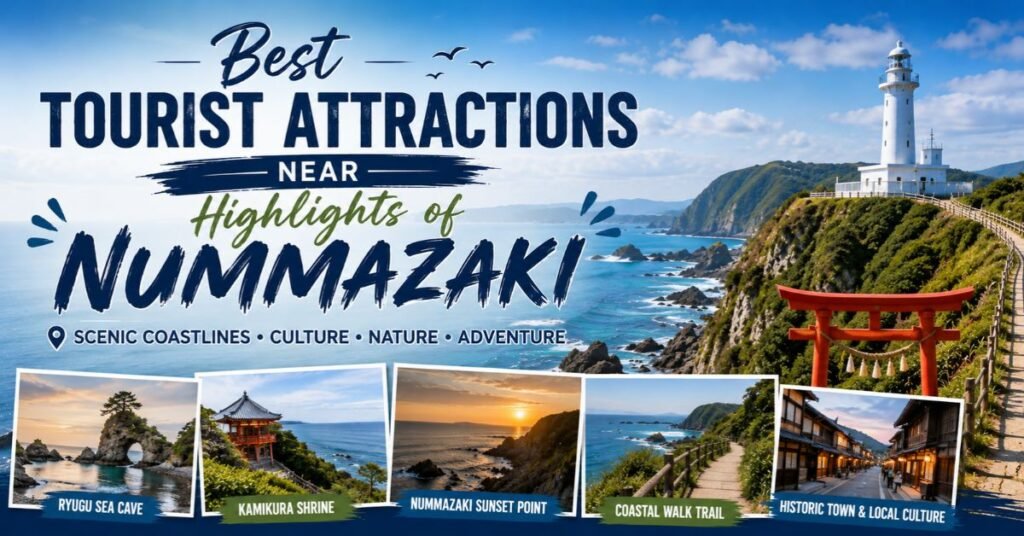
Three sights top almost every list. Cape Ose, the Senbon Matsubara pine grove and the View-O deck each show a different face of the coast. Together they make a full day of Nummazaki coastal attractions.
They sit in different parts of Numazu City, so plan your route. Buses link many stops. A car makes the loop easier. Mix them with a seafood lunch and you’ve built a perfect first day.
Cape Ose (Osezaki)
Cape Ose Japan is a narrow point reaching into Suruga Bay. It’s one of the best Osezaki sightseeing stops for Fuji lovers. A short path leads along the cape with ocean on both sides. A small shrine area and calm water add charm. Divers also love the clear water nearby. Sunset here draws photographers who want Japan coastal photography spots with real drama. Arrive an hour early to claim a good place.
Senbon Matsubara Pine Grove
The Senbon Matsubara pine grove runs along the shore for several kilometers. Its tall pines frame the beach like a green curtain. Writers and painters have praised it for centuries. Walk the shaded paths and glance through the trees to see Mount Fuji beyond the sea. It’s also one of the beaches near Numazu for a calm seaside stroll. Pack water and a snack because shops are fewer along the path.
View-O Observation Deck in Numazu
View-O is a huge floodgate at Numazu Port. An observation deck sits high on top. From there, you can see the harbor, the bay and the shape of Mount Fuji. It’s among the easiest scenic observation points in town. The deck works well on cloudy days too because the harbor view stays lively. Check the Numazu city site for hours and entry details before you visit.
Best Things to Do Around Nummazaki
Active travelers have plenty to enjoy. Trails, bike lanes and calm water all sit within reach. These are the outdoor activities in Numazu that visitors rave about.
You can mix and match. Walk in the morning. Eat seafood at noon. Paddle or fish in the afternoon. Even a short plan fills a day nicely. Choose what suits your energy and the coastal weather conditions.
Coastal Walks and Hiking Trails
Trails here hug the shore and climb forested hills. This is gentle coastal hiking in Japan that suits beginners. Paths pass cliff tops, pine woods and open viewpoints. Most routes take one to three hours. Some stretches get steep, so wear sturdy shoes. Carry water and a rain layer. Ask your hotel or the local tourist desk for current trail notes. Conditions can change after storms.
Cycling Along Scenic Coastal Routes
Two wheels let you cover more ground with less effort. Quiet roads follow the bay and pass fishing harbors. The views change at every bend. Rental shops near the station often offer city bikes and e-bikes. Hills can surprise you, so an e-bike helps. This is also a lovely way to enjoy Japan coastal road trips at a slower pace. Wear a helmet and follow local traffic rules.
Diving, Snorkeling and Marine Activities
Clear water draws divers from across Japan. The best spots lie near the cape, where visibility can be excellent. You’ll see schooling fish, rocky reefs and colorful sea life. Beginners can join guided trial dives. Snorkeling works best in summer when the water warms. Book with licensed local operators and ask about gear. Always listen to safety briefings since currents can shift fast.
Fishing and Boat Tours
Fishing is part of daily life here. Many boats take visitors out for half-day trips. Guides handle the gear and teach simple methods. You might land horse mackerel, sea bream or squid depending on the season. Some operators will even cook your catch. This is a true taste of local fishing communities. Reserve early in busy months and check sea conditions on the morning of your trip.
Photography and Wildlife Watching
Photographers will fill memory cards quickly. Cliffs, pines, harbors and Fuji all compete for attention. Look for seabirds along the rocks and herons near river mouths. Use a long lens for birds and a wide lens for landscapes. Keep a respectful distance from wildlife. Early light usually brings the best colors. A small tripod helps with dawn and dusk shots.
Marine Life and Underwater Attractions
What lives beneath the surface is just as striking as the scenery above. Suruga Bay marine life ranges from small reef fish to strange deep-sea creatures. That variety comes from the bay’s steep drop-off.
You can explore it in two ways. Dive or snorkel for shallow wonders. Or visit the aquarium for deep-water species. Both options suit curious travelers of any age.
Why Suruga Bay Attracts Marine Enthusiasts
Few places let you meet shallow reefs and deep-sea animals so close together. Suruga Bay drops fast from the shore. Cold water rises from the depths and brings plankton. That feeds fish and draws predators. Researchers value the bay for studying marine ecosystems. Divers value it for unusual sightings. If you love nature, this stretch of the Japanese coastline will fascinate you.
Diving and Snorkeling Conditions
Conditions change with the seasons. Water runs warmest in late summer and coolest in winter. Visibility often peaks in autumn and winter when plankton levels drop. A wetsuit is wise in most months. Beginners should stay in guided groups. Check coastal weather conditions and ask about swells before you book. A good guide will cancel if the sea looks unsafe.
Seasonal Marine Life and Safety Tips
Each season brings new faces. Spring stirs up active schools of fish. Summer adds warm water and easy snorkeling. Autumn offers clear views. Winter highlights hardy species. Stay safe by never diving alone. Respect no-go zones and avoid touching coral or sea creatures. Wear sun protection and drink plenty of water. If a typhoon warning appears, skip the water entirely.
Visiting Numazu Deep Sea Aquarium
The Numazu Deep Sea Aquarium focuses on creatures from the dark depths of Suruga Bay. Its stars include strange fish, giant crabs and rare preserved specimens. It’s a fun stop for families and a rainy-day winner. Kids love the odd shapes. Adults enjoy the science. See opening times and ticket details on the aquarium’s website before you go. Plan about one to two hours for a relaxed visit.
Local Fishing Culture and Japanese Coastal Heritage
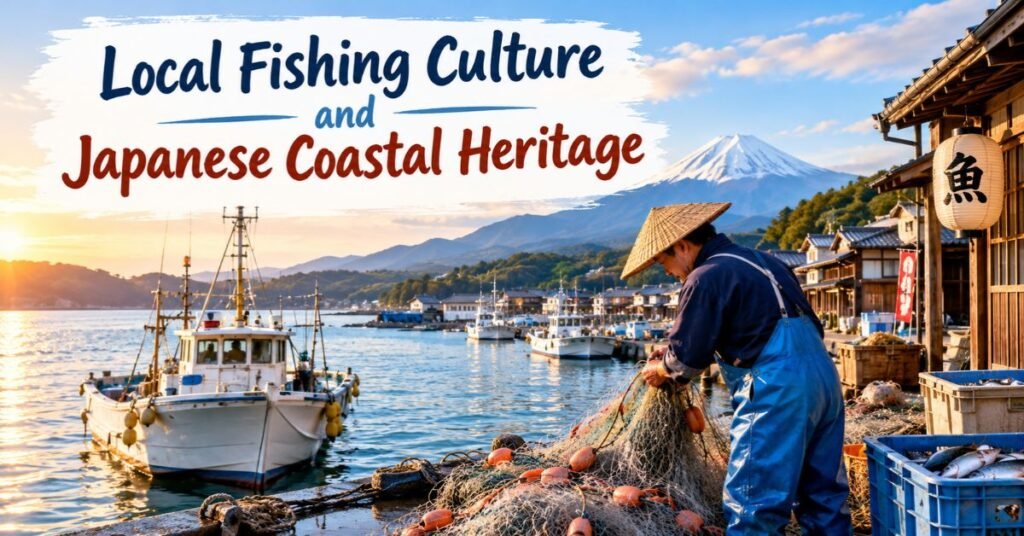
Fishing shaped this coast long before tourists arrived. Boats, nets and markets still set the daily rhythm. This living tradition gives the area its soul. You’ll sense it in harbors, shrines and old family shops.
Learning a little history makes every meal taste better. It also helps you travel with respect. Treat the harbor as a workplace and not just a photo stop.
See Also: Hannah Hampton Partner 2026 Shocking Truth About Her Relationship
Traditional Fishing Practices
Fishing know-how passes from parent to child. Boats leave before dawn and return with the morning catch. Fishers use nets, lines and small traps depending on the season. Many follow weather and tide patterns learned over decades. Some villages hold small festivals to thank the sea. Watching the return of the boats shows you Japanese coastal culture in action. Keep out of the way and ask before taking photos of workers.
Fishing Villages and Daily Coastal Life
Small villages dot the shoreline. You’ll see tidy harbors, drying fish and narrow lanes. Family-run shops sell fresh catch, dried fish and simple lunches. Life moves slowly. Neighbors greet each other by name. Walk gently and say a polite “konnichiwa.” Buying a snack or a souvenir supports local fishing communities directly. The area around Heda has a long seafaring history worth exploring.
Shrines, Temples and Cultural Landmarks
Japan’s coast carries deep spiritual roots. Seaside shrines honor sea gods and ask for safe journeys. Temples add quiet gardens and old wooden halls. These cultural landmarks reveal centuries of local belief. Bow at the entrance and keep your voice low. Don’t climb on sacred objects. Many sites charge little or nothing. They offer a calm pause between beaches and meals.
What to Eat Near Nummazaki Seafood and Local Specialties
Food is a headline act here. Cold, deep waters give fish a clean, sweet flavor. Japanese seafood cuisine reaches a high standard in these harbor towns. Even a simple lunch can feel like a feast.
Eat where locals eat. Look for short menus and busy counters. Many places serve the day’s catch first and run out by afternoon. Plan your meals around the morning market and you’ll eat well.
Fresh Seafood at Numazu Port
Numazu Port is the heart of the local fish trade. Boats unload early and markets buzz soon after. The area around the harbor has many Numazu Port restaurants serving raw, grilled and fried dishes. Sashimi bowls shine with glossy slices of fish over rice. Horse mackerel is a local favorite. Go before noon for the best choice. Queues form fast on weekends.
Popular Seafood Dishes and Fish Markets
Here are common dishes you’ll meet. Each shows off Numazu seafood specialties.
| Dish | What it is | Why try it |
| Kaisen-don | Rice bowl topped with raw fish | Fresh and filling |
| Aji no himono | Dried horse mackerel | A Numazu classic |
| Grilled fish set | Salted fish with rice and soup | Simple and tasty |
| Sashimi platter | Mixed slices of the day’s catch | Pure flavor |
Fresh fish markets across Shizuoka Prefecture also sell packed seafood to take home. A Japanese proverb says, “Hana yori dango,” meaning dumplings are better than flowers. In this town, fresh fish beats any fancy view.
Deep-Sea Seafood and Regional Specialties
Deep-sea seafood sets this coast apart. Fishers pull up species from the cold depths of Suruga Bay. Some of these fish look odd but taste excellent. Giant spider crab is a famous treat in the Heda area. Local menus may also list golden eye snapper and sakura shrimp in season. Ask the staff what’s best that day. Prices run higher for rare catches, so enjoy them as a special meal.
See Also: Brasssmile Com Review 2026 Dental Care Guide Safety and Website Legitimacy
Local Produce and Traditional Japanese Snacks
Land flavors balance the sea. Shizuoka Prefecture grows famous green tea, citrus fruit and wasabi. A cup of tea after a seafood meal feels just right. Sweet shops sell small treats made with local fruit and tea. Try a tea-flavored dessert or a citrus candy. Roadside stalls offer seasonal vegetables too. These small bites add depth to your Local food experiences in Shizuoka.
Best Beaches and Waterfront Areas Near Nummazaki
Not every day needs a hike. Sometimes you want sand, shade and a good book. The shoreline here offers all three. Several beaches near Numazu stay calm even on busy weekends.
Waterfront areas also suit families and photographers. Gentle paths, benches and harbor views make slow afternoons easy. Pick a spot, relax and let the sea set the mood.
Quiet Beaches and Coastal Walks
Look for pebble and sand beaches away from main roads. They stay peaceful and offer space to walk. The long shore near the pine grove is a favorite. Waves are usually mild in summer but can turn strong after storms. Check signs and flags before swimming. Bring shoes for stony ground. A sunrise walk here is hard to beat.
Family-Friendly Waterfront Attractions
Families will find easy, safe fun. Harbor parks give kids room to run. The aquarium adds rainy-day magic. Gentle beach sections suit paddling and sandcastles. Many cafés near the water offer simple kid-friendly meals. These family-friendly attractions near Numazu keep every age happy. Pack sun hats, snacks and a change of clothes.
Scenic Locations for Photography
Good light turns any shore into a postcard. Try the pine grove at dawn for soft rays through the trees. Visit the cape at sunset for glowing water. Use the harbor deck for city and sea together. These Japan coastal photography spots work in every season. Bring a lens cloth since sea spray leaves marks. Patience pays off when clouds part around Mount Fuji.
Hot Springs and Relaxing Coastal Experiences
After a day outside, nothing beats a hot soak. Japanese hot springs (onsen) fit the coast perfectly. Mineral water soothes tired legs and calms the mind.
Many inns pair seaside views with warm baths and home-style meals. That’s the full relaxation package. Learn a few basic rules and you’ll feel at ease.
Heda Onsen and Nearby Hot Spring Areas
Heda sits on the western side of the Izu Peninsula within Numazu City. This quiet seaside spot has hot spring baths and a calm harbor. Some baths face the water. Others sit among trees. Day-trip bathing is available at certain facilities. Check hours before you arrive. Tattoo policies vary, so ask in advance. Heda also pairs well with a giant crab dinner in season.
Seaside Ryokan and Traditional Japanese Hospitality
A traditional Japanese ryokan gives you tatami rooms, soft futons and multi-course dinners. Staff greet you with tea and a warm smile. Many ryokan near the coast serve fresh local seafood. Some have private baths. You’ll wear a light robe called a yukata. Book early for weekends and holidays. This is the best way to feel Japanese coastal culture from the inside.
Combining Onsen Visits With Coastal Sightseeing
Plan your day in a simple order. Walk or hike first. Eat lunch. Then finish with a bath near sunset. Your muscles will thank you. Many travelers pair an afternoon at the cape with an evening soak. Rinse well before entering the tub and keep towels out of the water. Drink plenty of water afterward.
Best Time to Visit Nummazaki in 2026
Timing shapes your trip. Seasonal travel in Japan brings very different moods. The coast looks new each quarter.
Pick your season by what you want most. Choose winter for crisp Fuji views. Pick summer for swimming. Go in spring or autumn for balance. The sections below help you decide.
Visiting in Spring
Spring brings mild air and fresh green hills. Cherry blossoms often appear in late March or early April. Walking trails feel pleasant and not too hot. Crowds stay moderate. Showers can pop up so carry a light rain jacket. Spring suits hikers and sightseers who want comfort and color.
Visiting in Summer
Summer is warm and lively. Seas are best for swimming and snorkeling. Days run long so you can fit in more. Heat and humidity can feel heavy. The rainy season peaks around June and early July. Typhoons may arrive later in the season, so track forecasts through the Japan Meteorological Agency. Bring sunscreen and a hat.
Visiting in Autumn
Autumn feels clear and calm. Heat fades and the air turns crisp. Water visibility often improves. Early autumn may still bring typhoons. Later months give tidy, sunny days. It’s a lovely time for cycling and photography. Seafood menus also shift to richer seasonal catches.
Visiting in Winter
Winter offers the clearest views of Mount Fuji. Air is dry and cold. Snow tops the peak while the coast stays mild. Crowds are small and rooms cost less. Dress in warm layers and wear a windproof coat. A hot bath at night feels like a reward. Photographers love this season.
See Also: Growth Navigate Funding Complete Startup Funding Guide for Founders in 2026
Seasonal Weather and Travel Comparison
This table sums up coastal weather conditions across the year. Use it to match your plans with the right months.
| Season | Weather | Crowds | Best for |
| Spring | Mild, some rain | Moderate | Hiking, blossoms |
| Summer | Hot, humid | Higher | Swimming, snorkeling |
| Autumn | Comfortable | Moderate | Photography, cycling |
| Winter | Cool, dry | Low | Fuji views, onsen |
So, what’s the best time to visit Numazu? Late autumn and winter win for views. Spring wins for comfort. Summer wins for water fun.
How to Get to Nummazaki From Tokyo, Osaka and Kyoto
Good news: this coast is easy to reach. Shinkansen travel puts you close in about an hour from Tokyo. Public transportation in Japan is clean, punctual and simple to learn.
Plan your route the night before. Use a transit app and check the last train. The JR Central English site lists Tokaido Shinkansen timetables and ticket options.
Traveling From Tokyo to Numazu
How do you get to Numazu from Tokyo? Take the Tokaido Shinkansen to Mishima Station. Then switch to a local JR train for a short ride to Numazu. The whole trip takes roughly an hour and a half in total depending on connections. Another option is the JR Tokaido Line directly, which takes longer but costs less. Nozomi trains don’t stop at Mishima, so pick a stopping service. Reserve seats in busy seasons.
Traveling From Osaka or Kyoto
From Kyoto or Osaka, hop on the Tokaido Shinkansen heading east. Get off at Mishima and transfer to Numazu. Allow roughly two to three hours in total depending on your train type. You can also stop in Shizuoka City on the way for sightseeing. Seat reservations help during holidays. Check ticket rules if you hold a rail pass because some services have limits.
Train, Bus and Rental Car Options
Each option has a trade-off. Trains are fast and reliable. Buses reach spots trains can’t. Cars give freedom but need planning. The table compares them quickly.
| Option | Best for | Trade-off |
| Train | Speed and comfort | Limited coastal reach |
| Local bus | Cape and village access | Less frequent service |
| Rental car | Flexible Japan coastal road trips | Parking and tolls |
Transportation and Route Planning Tips
Download a transit app before you land. Save station names in Japanese for easy searching. Carry a rechargeable IC card for trains and buses. Check bus timetables early since some routes run only a few times a day. Allow buffer time between connections. Keep small cash for rural stops. These Nummazaki travel tips make trips smoother.
Getting Around the Coastal Region
Once you arrive, local movement matters. Numazu transportation options include buses, bikes and cars. Each suits a different style.
Match your choice to your plans. Staying near the station? Buses and walking work fine. Chasing hidden coves? A car helps. A short test of each option can save time later.
Public Transportation and Local Buses
Buses connect the station with major attractions. Rides to the pine grove are short. Trips to the cape or Heda take longer. Timetables can be sparse in the afternoon. Take photos of the schedule at the stop. Pay by IC card or coins. Ask your hotel for the latest bus tips since services change.
Walking and Cycling Options
Central areas are easy on foot. The harbor, markets and some viewpoints sit close together. Cycling covers longer distances with fun views. Rent bikes near the station. Bring a rain cover since showers come fast. Walk on the correct side of the road. Wear comfortable shoes and take breaks.
When Renting a Car Makes Sense
A car is ideal if you want remote coves, early sunrise spots or a flexible schedule. It also helps families with luggage. You’ll need an International Driving Permit in most cases. Drive on the left and watch for narrow roads. Parking costs can add up near popular sights. If your plan stays near the station, skip the car. Can you explore Numazu without renting a car? Yes. Buses and bikes cover most main stops.
Where to Stay Near Nummazaki
Your bed shapes your trip. Seaside stays give sunrise views. Station hotels give quick access. Ryokan give deep cultural charm.
Choose by budget and mood. Book early for weekends, summer and autumn holidays. The table in the last section helps you compare.
Traditional Ryokan and Japanese Inns
Traditional Japanese inns near the coast deliver tatami rooms, warm baths and big dinners. Expect polite service and quiet halls. Dinner usually features local seafood. Breakfast often includes grilled fish and rice. Prices include meals, so check what you get. Arrive by late afternoon to enjoy the full experience. Ryokan suit couples and curious first-timers.
Seaside Hotels and Resorts
Seaside hotels near Suruga Bay offer ocean views, western beds and modern comfort. Some include spas and restaurants. Resorts work well for families and long stays. Ask for a bay-facing room if you want sunrise views. Compare breakfast options. Free shuttles can save time. These stays balance comfort and convenience.
Budget Guesthouses and Affordable Accommodation
Budget travelers have good choices too. Business hotels near the station are clean and compact. Guesthouses offer low prices and friendly hosts. Shared bathrooms are common in the cheapest places. Read recent reviews for noise and cleanliness. Book directly if the host offers a discount. You can save money and still eat very well.
Choosing the Best Area for Your Stay
Stay near Numazu City station for easy trains and food. Stay near the harbor for markets and Numazu Port restaurants. Stay in Heda for onsen and quiet. Stay by the pine grove for beach walks. The table below shows rough price ranges as a guide only. Check current rates on booking sites.
| Type | Best for | Typical budget per night |
| Ryokan | Culture and meals | Moderate to high |
| Seaside hotel | Views and comfort | Moderate |
| Business hotel | Convenience | Low to moderate |
| Guesthouse | Budget travel | Low |
Suggested Nummazaki Travel Itineraries
Plans keep trips stress-free. These samples build a Japan travel itinerary 2026 you can tweak. Each one balances sights, food and rest.
Feel free to swap days or stops. Weather may force changes, so keep a backup indoor plan. The aquarium and a long seafood lunch make perfect rainy-day fixes.
One-Day Coastal Sightseeing Itinerary
Start at the pine grove in the morning for soft light and Fuji views. Head to the harbor for a seafood lunch at one of the Numazu Port restaurants. After lunch, visit the View-O deck for a sweeping look at the bay. Spend the late afternoon at the cape if time allows. Watch the sunset and then return to the station. Keep the pace relaxed since travel between stops takes time.
Two-Day Nature and Seafood Itinerary
Day one covers the pine grove, the harbor and the deck. Eat fresh fish at the port and wander the market. Stay overnight near the water. Day two heads to the cape and nearby viewpoints. Try a light hike or a short snorkel if the season fits. End with a bath at a hot spring before the ride home. This plan fits busy travelers who want depth.
Three-Day Slow Travel Experience
A third day lets you breathe. Spend day one in town and at the port. Spend day two at the cape and the coast. Spend day three in Heda for onsen, quiet walks and crab if in season. Add a bike ride or boat trip for variety. This pace echoes a Japanese idea, ichi-go ichi-e, which means “one time, one meeting.” Treat each moment as special.
Sample traveler scenario: Picture a couple from Europe with three days to spare. They base themselves near the station. They use buses for the pine grove and take a taxi to the cape at sunrise. They spend one evening at a ryokan in Heda. By day three, they say the slow pace gave them the best memories of their whole Japan trip.
Photography Guide to Nummazaki and Suruga Bay
This coast is a gift for photographers. Light, water and mountains combine in simple but striking ways. You don’t need pro gear to take beautiful shots.
Plan around the sun and the weather. Check clouds and wind. Arrive early and stay late. Great photos often come from patience.
Best Sunrise and Sunset Photography Spots
For sunrise, try east-facing shores and the pine grove. The first light slides through trees and across sand. For sunset, the cape is a classic since the sun drops over the water. These are top Japan coastal photography spots for warm tones. Arrive at least 30 minutes early. Bring a small flashlight for the walk back.
Tips for Photographing Mount Fuji
Fuji hides easily in clouds. Visit in winter or on crisp autumn mornings for better odds. Use a tripod and a low ISO for sharp detail. A mild telephoto lens compresses the peak and makes it look bigger. Include a foreground like pines or boats for depth. Check the forecast the night before. If the mountain stays hidden, wait an hour. Clouds can move fast.
Coastal Landscape Photography Tips
Good coastal photos need good habits. Keep the horizon level. Use slow shutter speeds to blur waves into silk. Protect your lens from salt spray. Shoot in the golden hour for rich color. Add people or boats for scale. Try black-and-white on moody days. A lens cloth and a rain cover are lifesavers.
Travel Costs, Practical Tips and Common Mistakes
Money and planning can make or break a trip. Luckily, this region suits many budgets. Free sights like beaches and viewpoints balance pricier meals and stays.
A few smart habits help you avoid stress. Think about weather, transport and pacing early. The tips below give you a coastal trip budget in Japan you can trust.
Is Nummazaki Expensive to Visit?
It doesn’t have to be. Walking, hiking and photography cost almost nothing. Meals range from cheap set lunches to splurge-worthy seafood feasts. Ryokan cost more than business hotels. Train tickets are a major expense, so plan routes wisely. Rough budgets vary by season and exchange rates, so check current prices. Sample daily budgets might look like this.
| Style | Focus | Notes |
| Budget | Guesthouse, local lunches, buses | Great value |
| Mid-range | Hotel, mixed meals, some tours | Comfortable |
| Comfort | Ryokan, seafood dinners, taxis | Special feel |
What to Pack for a Coastal Trip
Pack for wind, sun and sudden rain. Bring layers, a windproof jacket and comfy walking shoes. Add sunscreen, sunglasses and a reusable water bottle. Carry a small towel for onsen. Bring a power bank and a pocket Wi-Fi or SIM. Cash still matters in small towns. A tiny daypack keeps your hands free.
Checking Weather and Sea Conditions
The sea can change fast. Check forecasts before every outdoor plan. Look at wind, waves and rain. Typhoon season needs extra care. Ask local operators if conditions look rough. Skip boat tours and dives when warnings appear. Safety always beats schedules.
Planning Transportation and Avoiding Rushed Visits
Many travelers try to see too much. Pick fewer places and enjoy them. Check last bus times and keep buffer minutes. Book popular tours and rooms early. Avoid weekends at peak times if you can. Slow travel brings better meals, better photos and better memories.
Responsible and Sustainable Travel
Beautiful places need care. Sustainable tourism keeps beaches clean and communities strong. Small choices add up fast.
Think of yourself as a guest. Leave little behind and learn local habits. Coastal conservation depends on visitors who care. These simple steps help protect the area for future travelers.
Protecting Coastal and Marine Environments
Take your trash with you. Skip single-use plastic when you can. Stay on marked paths to protect dunes and pines. Don’t remove shells, rocks or sea creatures. Use reef-friendly sunscreen if available. Follow local rules for fishing and diving. These habits support coastal biodiversity and keep marine ecosystems healthy.
Respecting Local Customs and Cultural Sites
Respect makes every visit smoother. Bow slightly when you greet people. Remove shoes where signs ask. Keep quiet at shrines and temples. Ask permission before photographing people. Follow onsen rules and wash before soaking. Small gestures show you care about Japanese coastal culture.
Supporting Local Businesses and Communities
Spend where your money helps locals. Eat at family-run restaurants. Buy fish products, tea and crafts from small shops. Hire local guides and boat captains. Stay in locally owned inns. This keeps traditions alive and builds trust. It’s one of the best forms of responsible coastal tourism in Japan.
Is Nummazaki Worth Visiting in 2026?
Is Nummazaki worth visiting for coastal scenery? Yes, if you love calm beauty. The mix of sea, pines, Fuji and fresh fish is hard to match. You’ll also meet fewer crowds than in major cities. That makes this a rewarding pick among Japan hidden coastal destinations.
It may not suit every traveler. If you want nightlife or big malls, you’ll find them elsewhere. But if you crave nature, food and calm, this coast delivers. Let’s see who will love it most.
Who Will Enjoy This Coastal Destination?
Nature lovers will adore the trails and views. Photographers will chase light on the water. Foodies will savor each fish dish. Couples will enjoy ryokan evenings. Families will love the aquarium and gentle beaches. Slow travelers will find the pace refreshing. If that sounds like you, pack your bags.
How to Decide Whether It Fits Your Japan Itinerary
Ask yourself three questions. Do you want a break from big cities? Do you have at least one spare day? Do you love sea and mountain views? If you said yes, add this coast to your plan. It sits close to the Tokaido Shinkansen line, so it slots in easily between Tokyo and Kyoto. Even a single night here can add real depth to your trip.
Frequently Asked Questions
What Is Nummazaki Known For?
What is Nummazaki known for in Japan? The coast is known for sea cliffs, Suruga Bay, Mount Fuji views, fresh seafood and calm fishing villages. The best-known sights are Cape Ose, the Senbon Matsubara pine grove and the harbor deck at Numazu Port. These top highlights of Nummazaki in 2026 show Japan’s slower side.
Is Nummazaki a Real Place in Japan?
It isn’t an official place name on most maps. The name is a popular label for the Numazu shoreline in Shizuoka Prefecture. Search for Numazu, Cape Ose or Heda when you plan travel. You’ll find real trains, buses and hotels.
How Many Days Do You Need to Explore the Area?
How many days should you spend exploring Numazu? One day covers the main sights. Two days add hiking and seafood. Three days give a slow, rich visit with onsen time. Pick the pace that fits your trip.
Can You Visit the Coast Without Renting a Car?
Yes. Use the Shinkansen to Mishima, then local trains and buses. Rent a bike for short hops. Use taxis for remote spots at sunrise. A car adds freedom but isn’t required.
What Are the Best Attractions Near Nummazaki?
What are the best attractions near Numazu, Japan? Start with Cape Ose (Osezaki), the Senbon Matsubara pine grove, the View-O deck and the Numazu Deep Sea Aquarium. Add Heda for hot springs and quiet villages. Finish with a seafood meal at the port.
When Is the Best Time to See Mount Fuji?
Where can you see Mount Fuji near Suruga Bay? The pine grove, the cape and the harbor deck all give great views. Winter mornings usually offer the clearest sky. Autumn can also work well. Summer haze often hides the peak.
Are There Good Seafood Restaurants Near Numazu?
Yes. Where can you enjoy fresh seafood in Numazu? Head to the harbor area near Numazu Port. You’ll find many places serving sashimi bowls, grilled fish and dried mackerel. Go early for the best choice and shorter lines.
Is the Area Suitable for Families?
Yes. Kids enjoy the aquarium, gentle beaches and easy walks. Buses and trains are safe and tidy. Pack snacks and sun gear. Book rooms with extra beds early.
Final Thoughts
The Highlights of Nummazaki prove that great travel doesn’t need big crowds. Cliffs, pines, Mount Fuji, fresh fish and hot springs all sit within easy reach. Yes, the name is a nickname. The real places behind it are well worth your time.
So plan a slow day or a long weekend. Take a Shinkansen travel morning from Tokyo, eat a seafood lunch by the harbor and watch the sun sink into Suruga Bay. You’ll leave with fresh air in your lungs and a camera full of memories. Add this coast to your Japan travel itinerary 2026 and enjoy every quiet moment.