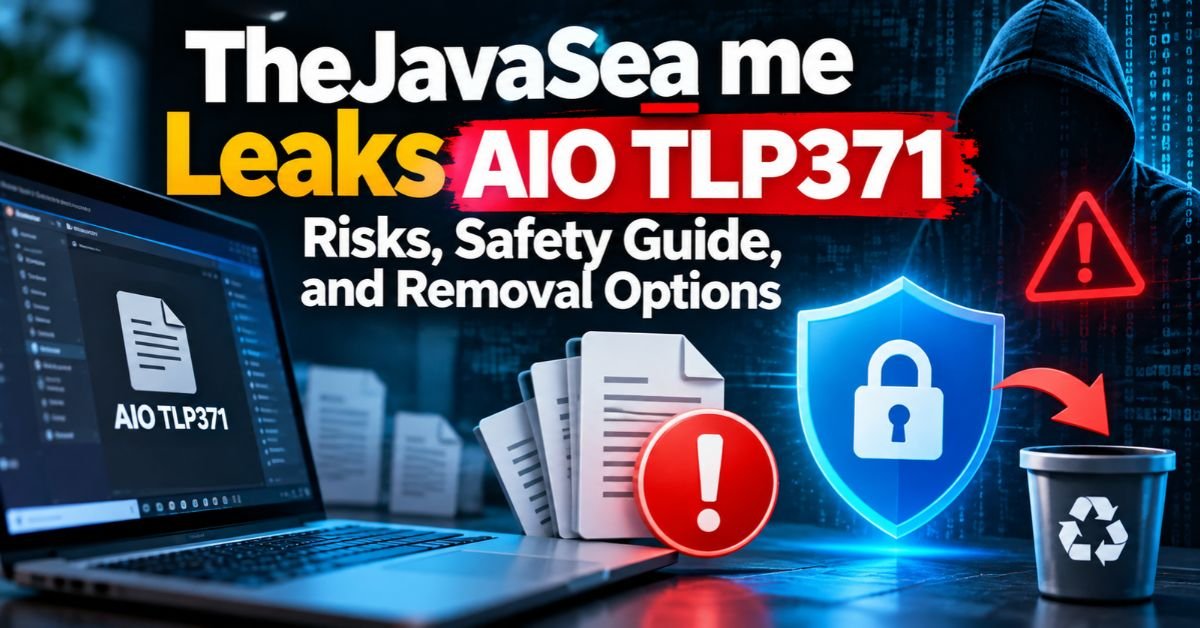
TheJavaSea Me Leaks AIO TLP371 Risks Safety Guide and Removal Options
You’ve probably seen the phrase TheJavaSea Me Leaks AIO TLP371 in a search bar or a forum thread. It looks serious. It sounds secretive. Naturally, you wonder if it’s real and whether it affects you. This guide gives you calm, clear answers about the AIO-TLP371 leak and the TheJavaSea.me security risks around it.
Here’s the honest picture. Nobody has independently confirmed what this identifier contains. That means the smartest move is to stay curious but careful. You’ll learn the risks, the safe habits, and the steps for leaked content removal. Keep this page as your TheJavaSea.me safety guide.
| Detail | What We Know |
| Search phrase | TheJavaSea.me leaks AIO-TLP371 |
| Website named | TheJavaSea.me |
| Identifier | AIO-TLP371 |
| Confirmed meaning | Not independently established |
| Main concerns | Authenticity, privacy, and cybersecurity risks |
| Safest approach | Verify claims and never download unknown archives |
What Is TheJavaSea.me Leaks AIO-TLP371?
What is TheJavaSea.me AIO-TLP371? Right now, it’s mainly a search phrase. It joins a website name, the word “leaks,” and a code-like label. Such phrases spread fast across forums and search engines. Some point to real incidents. Others exist only to grab clicks.
A phrase alone proves nothing. Think of it like a rumor passed around a school hallway. The more people repeat it, the truer it feels. Yet repetition isn’t evidence. Good data breach verification needs proof from sources you can check.
What Is TheJavaSea.me?
TheJavaSea.me is the website name inside the search phrase. Seeing a site’s name next to the word “leaks” doesn’t mean the site hosts anything real. It also doesn’t show who made or shared any material. A proper website reputation assessment looks at reports from trusted researchers, how the site behaves, and whether security tools flag it. Until you have that, treat the site as unknown and keep your distance from suspicious leak websites.
What Does AIO-TLP371 Mean?
What does AIO-TLP371 mean? Nobody has shown a reliable answer. “AIO” often stands for “all-in-one” in tech talk. However, that guess may not fit here. “TLP371” has no confirmed meaning at all. It could be a label from an online community or a name for a file collection. It could also be a tag made up by pages chasing traffic. Treat any firm explanation with suspicion.
Is AIO-TLP371 a Confirmed Data Breach?
Is AIO-TLP371 a confirmed data breach? No. An identifier doesn’t prove an AIO-TLP371 data breach. A real breach usually comes with evidence. You’d expect a statement from the affected company, a report from a respected security researcher, or coverage from established news outlets. Without those, the claim stays unproven. That’s why a sound cybersecurity threat assessment starts with doubt and ends with facts.
Why Is TheJavaSea.me Leaks AIO-TLP371 Attracting Attention?
Leak-style phrases pull people in. They hint at hidden files and private data. Curiosity does the rest. Fear plays a part too. Many people worry that their own details are floating around as leaked data online.
Search trends also snowball. One article appears. Others copy it. Soon the phrase looks famous. This loop creates buzz without adding proof. Knowing how it works helps you resist the pull.
Online Discussions and Search Visibility
A phrase gains weight when many sites repeat it. Writers target it for traffic. Users share it in threads. Search engines then show more pages about it. That creates a false sense of credibility. A page can rank high and still be wrong. How to check suspicious website claims is simple. Ask who wrote it, what evidence they show, and whether anyone independent agrees.
Concerns About Personal Information and Privacy
Many readers search leak terms to see if their data is exposed. That worry is fair. Real breaches can expose emails, passwords, phone numbers, and more. Even so, nobody can say what this identifier holds. Claims about specific personal information exposure need real proof. The best way to protect personal information online is to use official breach alerts and trusted checkers. Unverified posts and mystery downloads aren’t safe tools for that job.
Why the Identifier Requires Careful Verification
A code like AIO-TLP371 feels official. It looks like a case number or a file tag. That look can fool you. Anyone can invent a label and attach it to a claim. Copied claims also aren’t independent confirmation. Ten sites repeating one rumor is still one rumor. Careful data breach verification means tracing the claim back to its start. Then you look for a second, separate source.
Cybersecurity Risks Associated With Unverified Leak Websites
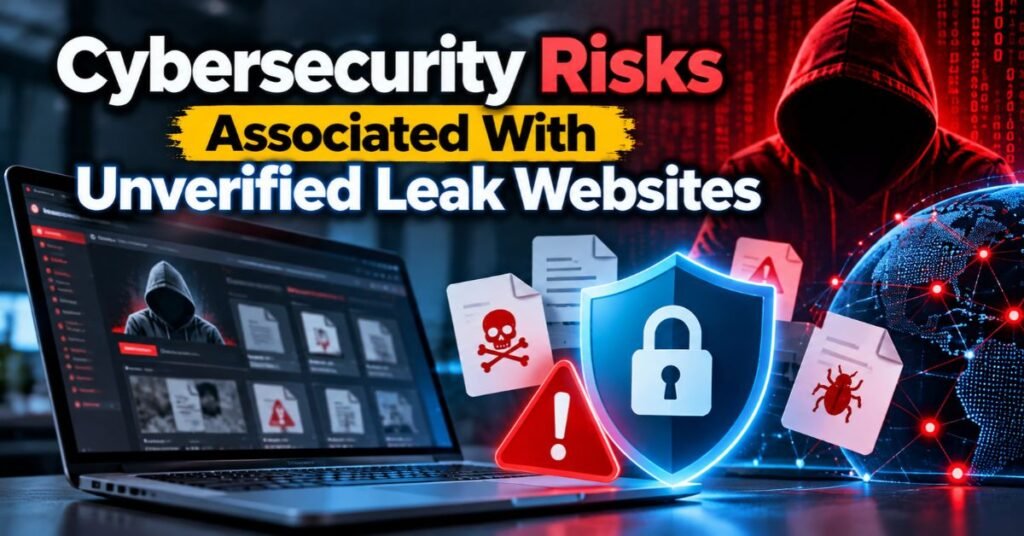
Imagine an unmarked package on your doorstep. You didn’t order it. You don’t know the sender. Would you open it? Unverified leak sites work the same way. The label promises something exciting, but the contents could hurt you. These cybersecurity risks fall into a few clear groups.
You don’t need technical skills to stay safe. You need good habits and a healthy dose of doubt. Strong digital security awareness protects you more than any single tool. The table below gives a quick overview. Each risk gets a closer look right after.
| Risk | What It Can Do | Best Defense |
| Malware | Steals data or locks your device | Don’t download unknown files |
| Phishing | Tricks you into giving passwords | Check the web address first |
| Tracking | Collects your browsing details | Limit permissions and forms |
| Bad ads and redirects | Push fake downloads | Close the page |
| Sharing leaks | Harms victims and creates legal trouble | Never redistribute |
Malware and Suspicious Downloads
Risks of downloading leaked files are real. Files sold as secret collections can hide harmful code. This is classic malware from suspicious websites. An archive may look like a simple folder. Inside, it can hold programs that steal passwords or spy on your screen. A neat filename means nothing. How to identify malicious download links is easier than you think. Be wary of forced countdowns, mismatched file types, and pages that demand a special “download manager.” Avoid suspicious archive downloads entirely.
Phishing Attacks and Credential Theft
Some pages copy login screens from well-known services. They want you to type your email and password. That’s phishing and credential theft in action. How to recognize phishing websites starts with the address bar. Look for odd spelling, strange endings, and pages that ask for more than they should. No leak page needs your main password or your two-factor authentication code. Hand either one over and you risk credential compromise. Practice phishing prevention by typing official web addresses yourself.
Privacy Tracking and Data Exposure
Unknown sites often load trackers and ad scripts. These tools log what you click and where you came from. Some collect device details too. The exact behavior of any one site needs direct proof. Still, the general digital privacy risks are worth knowing. Use secure browsing practices. Keep your browser updated, block unneeded permissions, and skip forms you don’t trust. Good online privacy protection starts with giving away less.
Misleading Advertisements and Malicious Redirects
Aggressive ads can bounce you from page to page. Pop-ups may claim your device is infected. Others push extensions you never asked for. These tricks blur the line between content and traps. Good malicious website detection is mostly common sense. If a page opens new tabs by itself, leave. If it demands an extension install, leave faster. Closing the tab costs you nothing.
Risks of Sharing or Redistributing Leaked Content
Passing along leaked files hurts real people. Private records can expose names, addresses, and finances. Sharing them also puts you at risk. Legal risks of sharing leaked data vary by country, but they can be serious. Think of unauthorized data distribution as lighting a fire in a dry forest. Once it spreads, you can’t call it back. Sensitive information leaks deserve care, not clicks.
How to Verify Claims About AIO-TLP371
How to verify data leak claims comes down to three questions. Where did the claim start? Does anyone independent agree? Is there real evidence? Answer all three before you believe anything. This habit protects you from rumors and traps alike.
Treat it like checking a news story before you share it. A slow, careful look beats a fast, wrong reaction. Strong information security awareness means pausing first. The steps below walk you through it.
Check the Original Source and Available Evidence
Start with the source. Who made the claim, and when? A trustworthy report names its sources and separates facts from guesses. Check dates too. Old stories sometimes return dressed up as fresh news. A claim built only on anonymous posts is weak. If you can’t find the start of the trail, don’t trust the end of it.
Look for Independent Confirmation
Real incidents leave a wider trail. Reputable security researchers write about them. Established news outlets cover them. Affected companies often issue statements. Look for at least one source that has no link to the original claim. Copied articles don’t count. They only echo the same words. Independent confirmation is the strongest sign that something truly happened.
Distinguish Verified Facts From Unsupported Claims
Learn the red flags. Promises of a “complete database” should raise your guard. So should “guaranteed access” and urgent countdown messages. Dramatic headlines aren’t proof. A verified fact comes with details you can check. An unsupported claim comes with excitement and little else. When in doubt, label the claim “unconfirmed” and move on.
Is AIO-TLP371 Related to the Traffic Light Protocol?
What is the Traffic Light Protocol? It’s a real system from the Forum of Incident Response and Security Teams (FIRST). Security teams use color labels such as TLP:RED, TLP:AMBER, TLP:GREEN, and TLP:CLEAR to show how widely information may be shared. The letters “TLP” in this identifier might remind you of it. Yet no reliable source links the two. Treat any such connection as unconfirmed.
What to Do If You Have Already Visited TheJavaSea me
Take a breath first. Visiting a site doesn’t automatically mean your device is infected. What matters is what happened during the visit. Did you download a file? Did you type a password? Did you click a strange prompt? Your answers decide your next steps.
What to do after visiting a suspicious website is mostly a short checklist. Work through it in order. Each step lowers your risk. Good incident response procedures don’t need to be complicated.
Read More: BD268 XZ Explained Meaning, Uses, Benefits, and Future in Digital Systems
Close Suspicious Pages and Avoid Further Downloads
Leave the page right away. Don’t click pop-ups or warnings. Check your downloads folder for files you don’t recognize. If you find any, don’t open them. Right-click and delete them, or leave them alone until you can scan them. Stopping early often prevents the biggest problems.
Scan Your Device for Malware
Run a full scan with trusted, updated security software. This is basic malware detection and removal. Scan again if the first result looks odd. Watch for signs of trouble such as slow performance, strange pop-ups, or programs you didn’t install. If a downloaded file was opened, take extra care. Consider asking a trusted technician for help.
Change Compromised Passwords and Enable Two-Factor Authentication
How to secure compromised accounts starts with fresh passwords. Go to each service’s official website yourself. Don’t follow links from the suspicious page. Change any password you typed there. Change reused passwords everywhere else too. Then turn on two-factor authentication for email, banking, and social accounts. These account security measures block most takeover attempts.
Monitor Accounts for Suspicious Activity
Keep watching your accounts over the next few weeks. Look for logins you don’t recognize. Notice password-reset emails you didn’t request. Check bank statements for small, odd charges. Many services let you review recent sign-ins and connected devices. Catching trouble early makes it far easier to fix.
What to Do If Your Personal Information or Images Were Leaked
This part can feel heavy. If you’re dealing with a leak, know this first. It’s not your fault. You have real options. Many people have walked this path and leaked content removal is possible.
How to respond to a data breach means acting in a calm, steady order. Gather proof. Ask for takedowns. Use trusted removal services. Report threats. The sections below explain each step. Strong personal data protection begins with a plan.
Document the Content Without Downloading or Redistributing It
Record what you find without copying the files. Take screenshots that show the web address, the date, and the page. Save links in a private note. This digital evidence preservation helps later with takedown requests and police reports. Don’t download archives to “check.” That adds risk and creates new copies. Keep your records small and your exposure smaller.
Request Removal From the Hosting Platform
How to remove leaked personal information often starts with the host. Find the site’s abuse or contact page. Many hosts also publish takedown forms. Explain what the content is and why it should come down. Attach your screenshots and links. If the material includes copyrighted work you created, a copyright takedown notice may also apply. Keep copies of every message you send.
Request Removal From Google Search Results
How to request removal from Google is simpler than many expect. Google offers tools for personal data and for non-consensual explicit images. Its help page on removing intimate images explains the process. These Google search removal requests don’t delete the page itself. They do help with search engine de-indexing, so people can’t easily find it. Pair them with a request to the host for best results.
Read More: 20xBusiness Com Review 7 Key Facts About Features, Credibility, and Business Guides
Use Appropriate Image-Removal and Hashing Services
For intimate images, special tools exist. Adults can use StopNCII.org. It creates a digital fingerprint on your own device, and the image itself never leaves it. Partner platforms can then block matching copies. For images taken before age 18, Take It Down from the National Center for Missing & Exploited Children offers a similar service. These tools support image-based abuse prevention and sensitive content removal.
Report Threats, Harassment, or Extortion
How to report leaked content includes reporting threats. If someone demands money or more images, don’t pay. Payment rarely ends the problem. Save the messages and stop replying. Then contact local police. In the United States, you can also file a report with the FBI’s Internet Crime Complaint Center. Other countries run similar cybercrime portals. Prompt online extortion reporting protects you and others.
Legal and Ethical Considerations of Leaked Content
Laws differ from country to country. Still, the core idea is shared nearly everywhere. Private data belongs to the people it describes. Taking or spreading it without permission can cause real harm. It can also cause legal trouble. This section offers general information only. It isn’t legal advice.
Ethics matter even where laws are thin. Ask yourself a simple question. Would you want your own private records passed around? Strong privacy rights and online safety depend on everyone asking it. The table below gives a quick view of common concerns.
| Action | Possible Concern |
| Downloading leaked archives | Malware plus possible legal exposure |
| Sharing private records | Privacy violations and harm to victims |
| Accessing accounts with leaked logins | Unauthorized access offenses |
| Spreading intimate images | Serious criminal penalties in many regions |
Privacy Rights and Unauthorized Distribution
Many regions protect personal data by law. Europe’s GDPR is a well-known example. Other countries and states have their own rules. These laws often limit how personal data may be shared. Unauthorized data distribution can also bring civil claims. Victims may seek damages or takedowns. Respecting these rights is part of good online identity security for everyone.
Risks of Downloading or Sharing Sensitive Material
Holding sensitive files can be risky. Sharing them can be riskier. Depending on where you live, either act may create liability. Files may contain copyrighted works, business secrets, or private records. They may also carry malware. Is it legal to access or share leaked material? The answer depends on the content and the local law. Skipping the download is the safest choice.
Special Considerations for Intimate Images and Minors
Intimate images and content involving minors face the strictest rules. Possessing or sharing them can lead to severe criminal charges. Never download, forward, or store such material, even out of curiosity. Report it to the platform and to authorities instead. Protecting victims always comes before satisfying curiosity.
How Organizations Can Prevent Data Leaks
Leak stories teach useful lessons. Companies can reduce both the chance and the damage of exposure. You don’t need a huge budget to start. Small, steady habits go a long way. Good data leak prevention is about layers, not one magic fix.
These lessons help individuals too. Many of the same ideas work at home. Think of data protection best practices as locks on every door. One lock helps. Four locks help much more. Here’s how to build them.
Strengthen Access Controls and Authentication
Give people only the access they need. This is called least privilege. A new intern shouldn’t see payroll files. Add multi-factor authentication for every important system. Review access lists regularly and remove old accounts fast. These steps limit the damage when one password leaks.
Keep Software and Security Systems Updated
Old software hides known holes. Attackers love them. Apply updates quickly, and retire tools that no longer get support. Review settings for default passwords and open services. Regular patching is dull work. It also stops many attacks before they start.
Read More: Methatreams Explained Meaning Safety Risks Legality and Sports Streaming Alternatives in 2026
Encrypt Sensitive Information
Encryption scrambles data so thieves can’t read it. Use it for stored files and for data in transit. Protect the keys carefully. A strong lock means little if the key sits under the doormat. Good habits here help protect sensitive digital information even after a breach.
Develop an Incident Response Plan
A written plan saves precious time. It names who does what when trouble strikes. It covers spotting the problem, containing it, and telling affected people. Practice it a few times a year. Clear, honest communication builds trust. Silence breeds rumors.
How to Research TheJavaSea me Leaks AIO TLP371 Safely
Curiosity isn’t wrong. Risky behavior is. How to research cybersecurity incidents safely means reading about them without touching the dangerous parts. You can learn a lot from reports, analyses, and trusted news. You don’t need the files themselves.
Treat this like studying a storm from inside the house. You can watch, learn, and share facts. You don’t have to walk out into the rain. Real safe online research and responsible cybersecurity research both follow this rule.
Use Reputable Cybersecurity Sources
Choose sources with a track record. National cyber agencies publish alerts. Established security companies release research. Respected news outlets verify before they report. Compare more than one. If no trusted source mentions the topic, that tells you something too.
Avoid Unverified Downloads and Archive Links
Never download a file just to see what’s inside. Should I download the archive to check whether my information is included? No. Use official breach-notification services and trusted checkers instead. Avoid shortened links and mirror pages too. They hide where you’re really going.
Protect Personal Information During Online Research
Keep your browser and security tools updated. Stay logged out of important accounts while you browse. Don’t fill in forms or accept notifications. If you must open an unfamiliar page, use a separate browser profile. Small habits like these strengthen your online privacy protection.
Frequently Asked Questions
What Is TheJavaSea me Leaks AIO TLP371?
It’s a search phrase that links a website name with an identifier and the word “leaks.” The meaning of the identifier isn’t confirmed. No trusted source has shown what any related files contain. Until that changes, treat the phrase as unverified and avoid anything promising easy access.
Is AIO-TLP371 a Confirmed Data Breach?
No. A code name doesn’t prove a breach. Confirmation would need a statement from an affected organization, research from a credible security expert, or reliable news reporting. Without any of these, the claim remains a rumor. Stay cautious and rely on evidence rather than excitement.
Is TheJavaSea.me Safe to Visit?
Safety can’t be judged from a name alone. Unverified leak sites often carry risky ads, tracking, and fake downloads. If you decide to look anyway, avoid downloads, skip forms, and never enter passwords. The safest choice is to rely on trusted reports instead of visiting.
Does AIO-TLP371 Contain Personal or Sensitive Information?
Nobody has shown reliable proof either way. Claims about specific records should be treated with caution. If you’re worried about your own data, check official breach-alert services. Change reused passwords and turn on two-factor authentication. Those steps help no matter what the rumor says.
Can Downloading Files From Leak Websites Infect My Device?
Yes. Disguised archives and programs can carry malware, spyware, or password stealers. A believable filename doesn’t make a file safe. Even opening a “document” can trigger harm. Skip the download. If you already opened something, disconnect from the internet and run a full security scan.
What Should I Do If I Entered My Password on a Suspicious Website?
Act quickly. Go to the real service’s website yourself and change the password. Change it anywhere else you reused it. Turn on two-factor authentication. Then review recent sign-ins and security alerts. Contact your bank right away if you entered payment details.
Can I Remove Leaked Images From Google Search Results?
Often, yes. Google provides forms for personal information and non-consensual explicit images. These requests hide results from search but don’t erase the original page. Contact the hosting site too. For intimate images, services like StopNCII.org and Take It Down add another layer of protection.
Is It Legal to Access or Share Leaked Material?
It depends on the material and your country’s laws. Sharing private records, confidential files, or intimate images can bring civil or criminal consequences. Even holding such files may create risk. This isn’t legal advice, so consult a qualified lawyer if you have specific concerns.
Should I Download the Archive to Check Whether My Information Is Included?
No. Downloading adds malware risk and may create legal problems. It also spreads more copies of private data. Use official breach-notification channels and reputable checkers instead. If you’re still worried, change key passwords and watch your accounts closely.
How Can I Verify Claims About AIO TLP371?
Trace the claim to its original source. Then look for independent confirmation from trusted researchers, news outlets, or affected organizations. Check dates and watch for copied text. Be wary of dramatic headlines and promises of complete databases. Real evidence is specific, checkable, and calm.
Final Thoughts
Here’s the big picture. The term TheJavaSea me leaks AIO TLP371 remains unverified. No trusted source has shown what it holds. That alone is a good reason for caution. Strong digital security awareness means asking questions before clicking.
Three habits will serve you well. Never download or share unknown archives. Verify claims with independent sources. If your data is ever exposed, remember that removal help exists. Keep this guide handy, share it with a friend, and stay curious but careful.